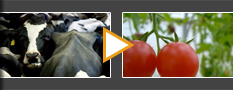
Vantreight Farms
Quick Facts
| Project proponent | Ian Vantreight |
| Location | Vantreight Farms (8277 Central Saanich Road, Saanichton, BC) map |
| Digester description | Three complete mix mesophylic digesters |
| Feedstock | Sewage sludge/bio solids and organic waste |
| Output uses | On-farm electricity and heat (potential community heating loop and sale of excess electricity/biomethane) and fertilizer |
| Additional benefits | Reduced greenhouse gas emissions and amount of organic waste going to landfills |
| Greatest challenge | Regulatory barriers at the provincial and regional level |
| Progress to date | 5/10 |
| Anticipated commissioning | Unknown |
Biography
 Ian Vantreight, owner of Vantreight Farms and Vantreight IRM Ltd, and his family have been farming in the Greater Victoria area since 1884. They grow and produce fruits, vegetables and cut flowers (of late prominently daffodils).
Details
How did you first hear about AD?
Ian first heard about AD when discussing new and innovative environmentally sustainable ways to find alternative energy sources for Vantreight Farms.
Why did you decide to adopt AD on your farm?
The decision to adopt AD was based on the fact that it produces sustainable and environmentally friendly heat and gas energy benefits for the farm. Furthermore, the digestate will be a valuable soil fertilizer, helping to replenishment the farm’s organic matter.
Digester location
The digester will be built on the Vantreight Farm, which is located at 8277 Central Saanich Road, Saanichton, BC.Currently the farm grows crops on approximately 700 acres of land and operates 160,000 ft2 of glass greenhouses. The greenhouses are currently heated using natural gas.
Digester description
The project will consist of three separate complete mix digesters that will accept bio solids (one digester) and organic waste (for the other two digesters). The feedstocks will be heated to about 39 Celsius before entering the digesters, where it will be mixed for a period of roughly 21 days. The final products, biogas (a methane rich gas) and digestate (the fully digested feedstock), will be used on-site, with excess heat and energy being sold to the utilities or used in the local community.
Feedstock
The Vantreight Farm digesters will digest between 30-45,000 tonnes annually. The first digester will be fed bio solids from local sewage treatment plants and septic tank pumping. The other two digesters will digest organic waste from the local area (including food, farm, yard, garden and floral waste).
Output use
The two main outputs of the digester will be biogas and digestate. The biogas will be used to generate green, renewable heat for the greenhouses. Any excess heat could potentially be used in a community heating loop, while any excess biogas will be sold as electricity or biomethane to a utility company. The digestate will be used to augment soil fertilization and replenish on-farm organic matter.
Additional benefits of the digester
There are many additional benefits to building a digester. These include reductions in greenhouse gas emissions, resulting from reduced natural gas consumption, and reductions in the amount of organic waste going to landfills. Digesters also help increase the long-term sustainability of the greenhouse sector by reducing operating costs (especially fuel).
Project difficulties
The project has already faced several difficulties. These include the Agricultural Land Commission not viewing AD as a farm practice, thus necessitating the need for a Non-Farm Use Application. Also, the Ministry of Environment’s OMAR Regulations don’t allow for anaerobic digestion of some organic waste, despite allowing for digestion of sewage slug. Finally, the local regional government (CRD) is moving extremely slow at implementing change and/or innovation around organic waste collection.
What could be done to help reduce these difficulties?
The best way to overcome these barriers would be for those involved in make the necessary decisions to actually make things happen.
On a scale of 1 to 10 (with 10 being excellent) how would you describe your progress to date?
Five